June 7, 2026
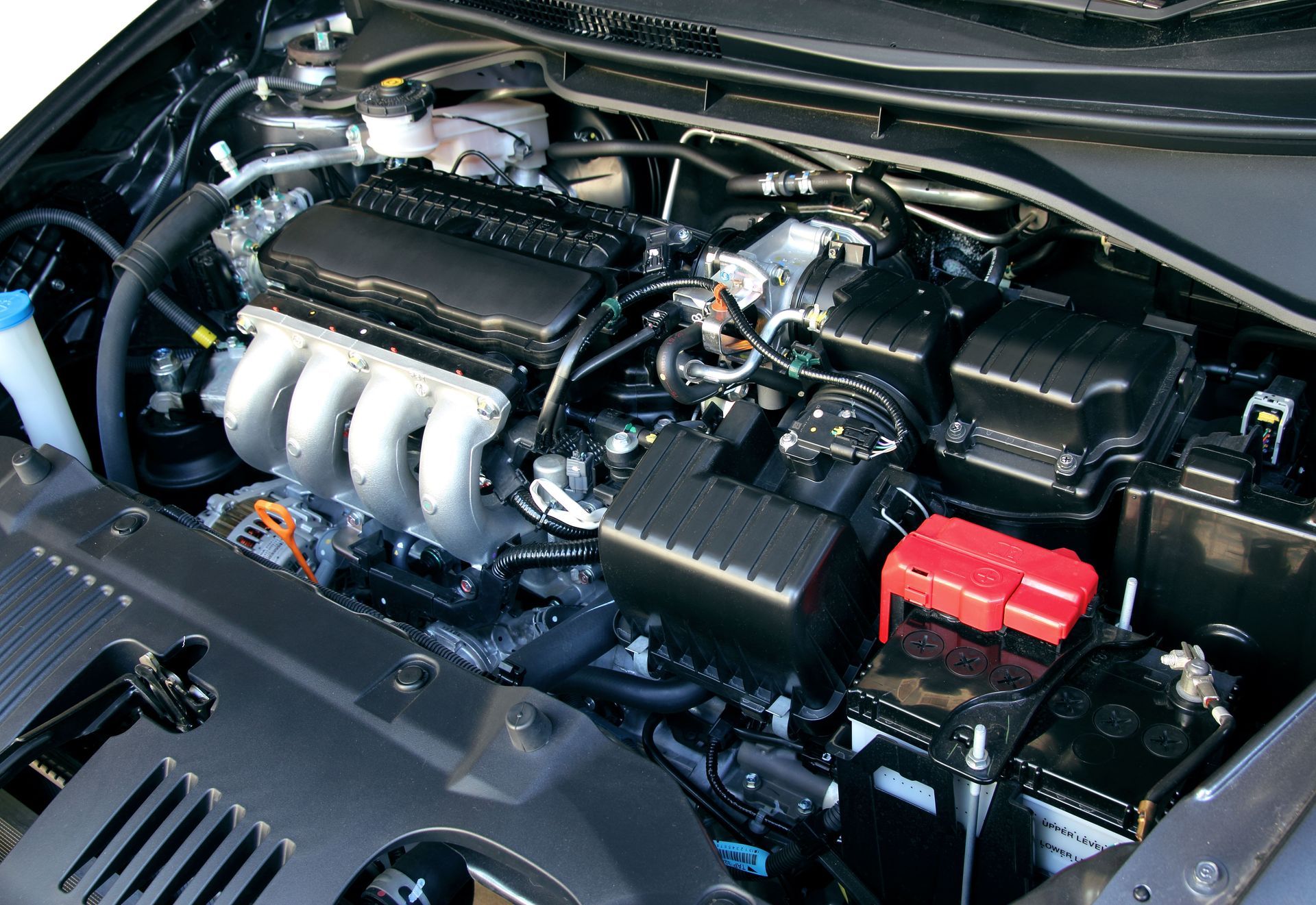
The hum of a well-running engine is the heartbeat of any vehicle. For most drivers, the thought of that heartbeat stopping, which is signaled by a rhythmic knocking, a cloud of blue smoke, or a sudden seizure of metal, is a nightmare scenario. It is often at this crossroads of mechanical failure that misinformation thrives. Many car owners view an engine replacement as a death sentence for their vehicle, a financial black hole, or a procedure so complex that the car will never "be the same."
However, modern automotive engineering and the secondary parts market have evolved significantly. What was once a prohibitively expensive or unreliable repair is now a viable way to extend the life of a beloved vehicle by another decade. Despite this, several persistent myths continue to circulate in garages and online forums, often scaring drivers into trading in a perfectly salvageable car for a new monthly payment they can't afford. Understanding the reality of high-mileage vehicles is crucial; for instance, according to Consumer Reports, the average engine lifespan is now expected to reach between 150,000 and 200,000+ miles with proper care.
In this article, we will debunk the most common engine replacement myths to help you make an informed decision about your vehicle's future.
Myth 1: Engine Replacement Costs More Than a New Car
One of the most frequent arguments against replacing a blown motor is that the cost will exceed the value of the vehicle. While it is true that a brand-new "crate" engine from a dealership can be expensive, this is rarely the only option. When you factor in the current price of new and used vehicles, which have skyrocketed in recent years, the math often favors the repair.
Replacing an engine typically costs a fraction of a down payment and the subsequent five years of interest-heavy monthly installments. If the rest of your vehicle (transmission, suspension, and body) is in good condition, investing in an engine replacement is essentially buying a "new" car for 10% to 20% of the price of a showroom model.
Myth 2: A Rebuilt Engine Is Inherently Unreliable
There is a common misconception that once an engine is opened up or replaced, the factory "seal" is broken and the car will plague the owner with endless leaks and sensor issues. This simply isn't true when the work is performed by qualified technicians.
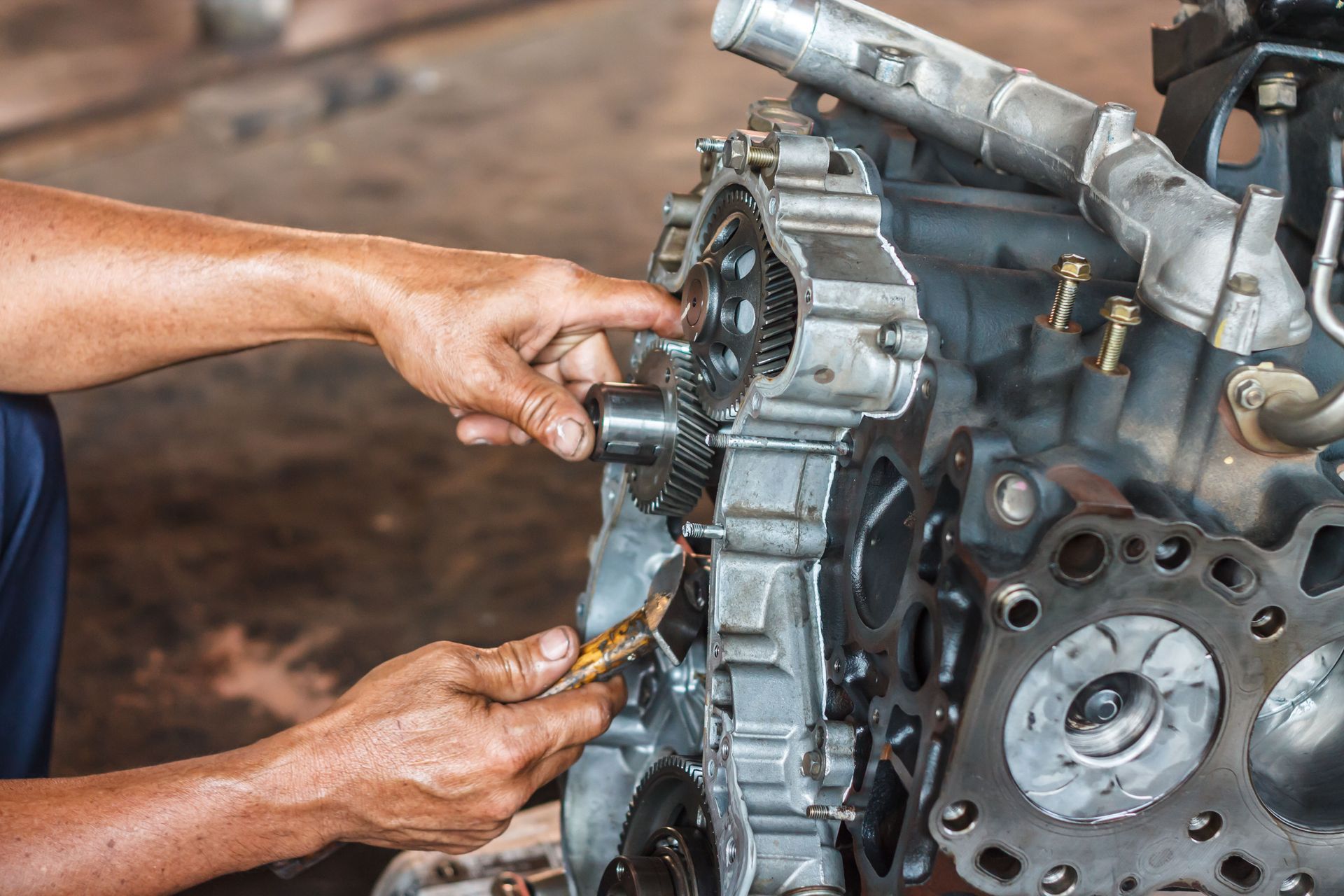
A remanufactured engine is often better than the original because it addresses "pattern failures", known defects that the manufacturer discovered after the car was already in production. During the remanufacturing process, these flaws are corrected with updated parts. When you opt for a high-quality swap, you aren't just getting a used heart; you are getting a precision-machined component designed to meet or exceed original equipment manufacturer (OEM) specifications.
Myth 3: Buying a Used Engine Is Always a Gamble
Many drivers fear that buying a used engine from a salvage yard means inheriting someone else's problems. While "junkyard" shopping used to be a roll of the dice, the modern recycled parts industry is highly regulated. Reputable suppliers now use sophisticated testing methods, including run-testing, compression tests, and oil analysis, to ensure the engine's integrity before it is sold.
Furthermore, most established suppliers provide warranties ranging from 90 days to three years. This level of protection mitigates the risk and makes a used engine replacement an environmentally friendly and budget-conscious choice for those who need to get back on the road quickly.
Myth 4: Only the Dealership Can Perform the Swap
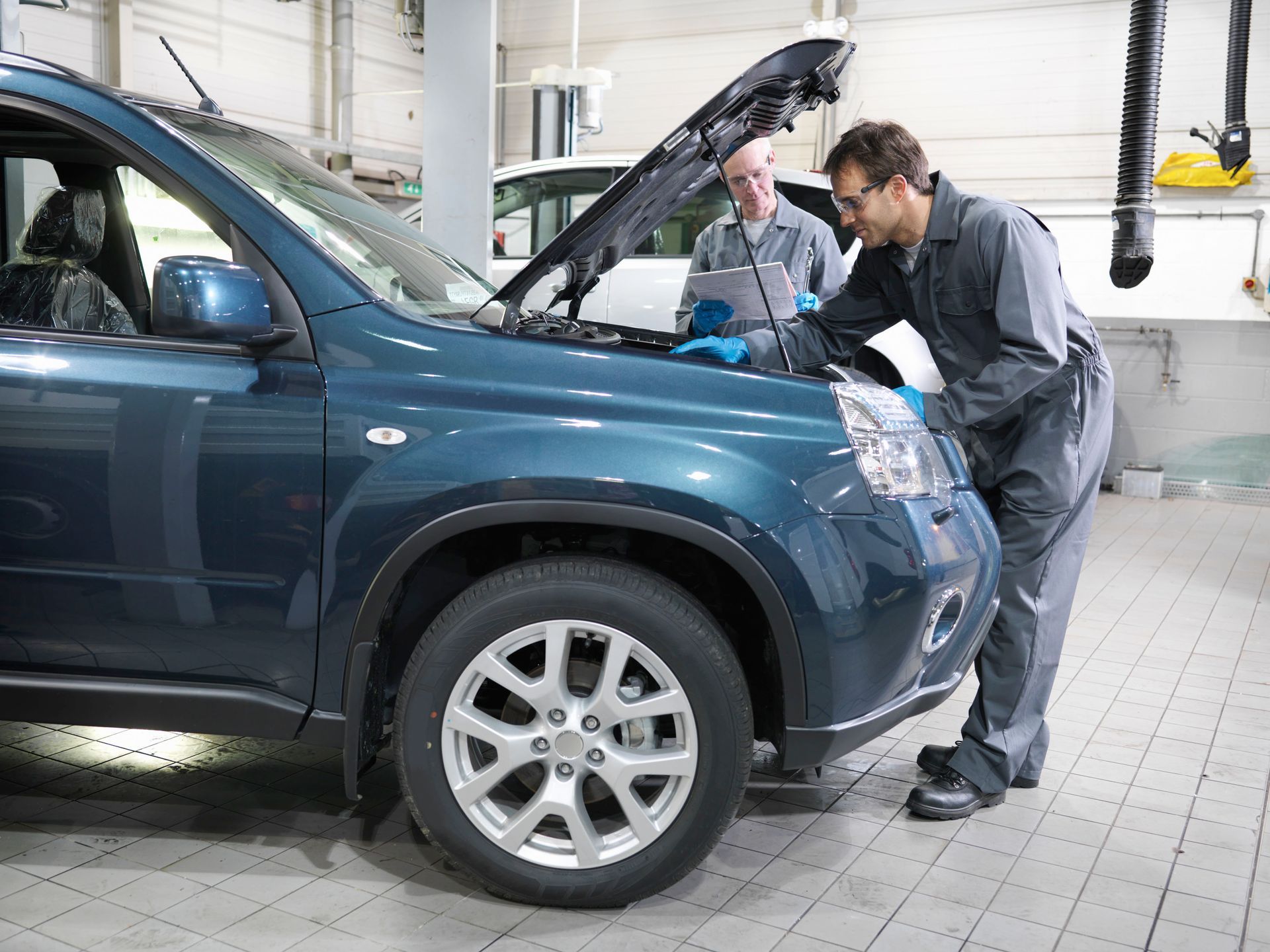
The "dealership-only" myth is fueled by the complexity of modern automotive electronics. While it is true that today's cars are computers on wheels, independent specialized shops have access to the same diagnostic tools, torque specs, and software as the dealer.
In many cases, an independent specialist who focuses solely on powertrains may have more hands-on experience with specific engine swaps than a general dealership technician. Choosing an independent shop for your engine replacement can save you thousands in labor costs without sacrificing the quality of the installation or the calibration of the Engine Control Unit (ECU).
Myth 5: Your Car Will Never Drive the Same Again
"It just doesn't feel right" is a subjective complaint often heard after major repairs. However, an engine is a modular component. It is designed to be removed and installed. If the mounts are replaced, the fluids are topped off, and the computer is correctly flashed, there is no physical reason for the car to drive differently, other than perhaps feeling more powerful and responsive than it did when the old engine was failing.
The "feel" of a car is largely dictated by the suspension and steering. As long as the technicians take care to realign components and secure all vacuum lines and electrical harnesses, a vehicle with a fresh engine should provide the same smooth experience it did the day it left the factory.
Myth 6: High Mileage Means the Chassis Is Done
People often assume that if an engine has failed at 150,000 miles, the rest of the car must be worn out too. This ignores the reality of modern metallurgy and rust-proofing. Today's frames and body panels are built to last much longer than engines.
If you have maintained your brakes, bushings, and interior, the chassis likely has plenty of life left. Following the guidance from Consumer Reports, which notes that the average engine lifespan is 150,000 to 200,000+ miles, we see that many vehicles reach this milestone with their structural integrity completely intact. Replacing the engine at this stage can potentially double the total life of the vehicle.
Myth 7: You Should Always Replace the Transmission Too
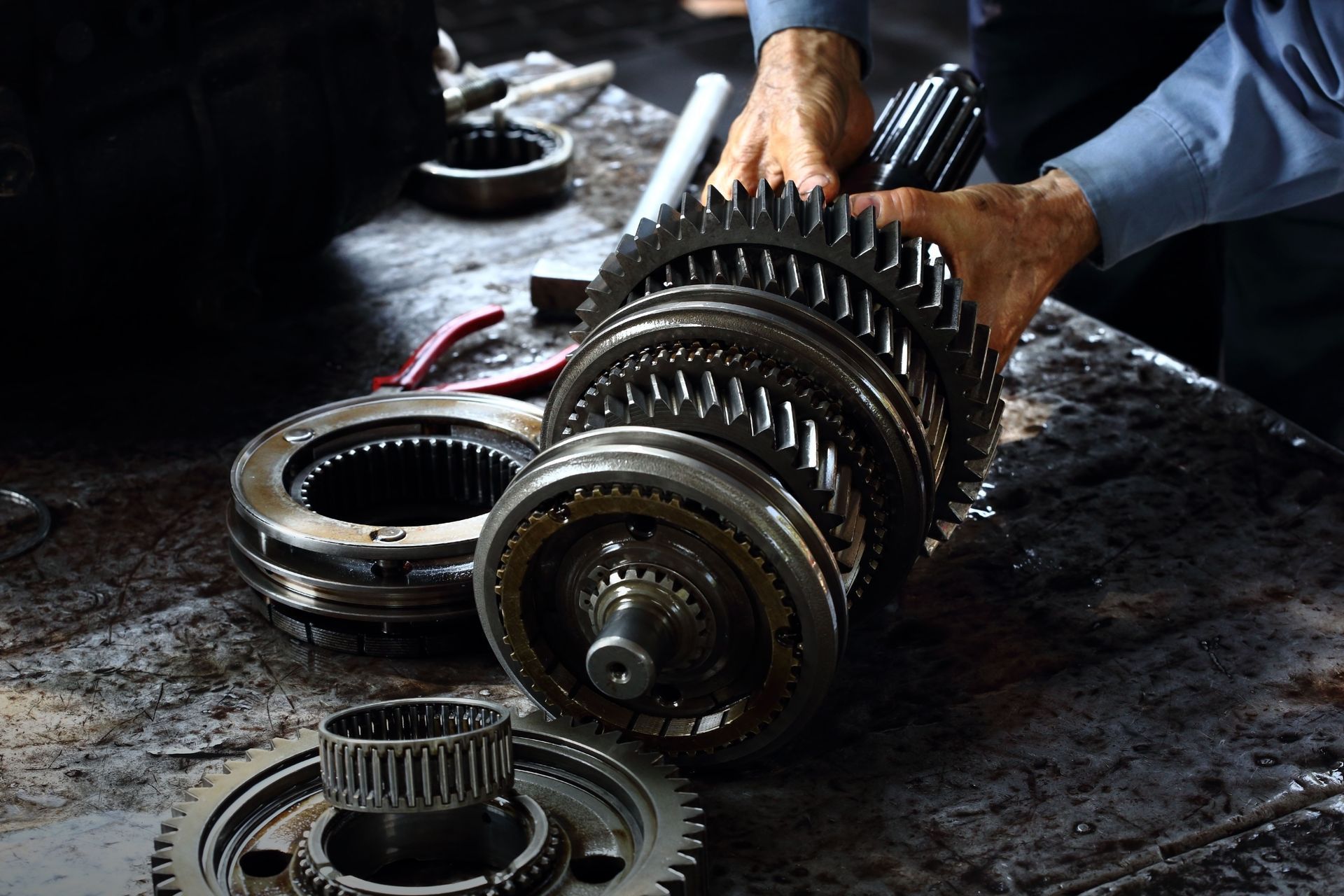
There is a nagging fear that a new, powerful engine will immediately "blow out" an old transmission. While it is wise to inspect the transmission and replace the fluid while the engine is out, a full transmission replacement is rarely necessary unless it is already showing signs of slipping or failure.
Most transmissions are designed to handle the specific torque output of the engine they are paired with. Unless you are significantly upgrading the horsepower of the vehicle, your existing transmission should continue to function perfectly with the new power plant. This myth often leads to unnecessary spending that could be better allocated to other preventative maintenance.
Myth 8: Engine Replacement Ruins the Vehicle's Resale Value
On the contrary, a documented engine replacement can actually increase the resale value of an older vehicle. For a buyer looking at a car with 120,000 miles, seeing a receipt for a professional engine swap performed only 10,000 miles ago is a major selling point. It provides peace of mind that the most expensive component of the vehicle is "fresh," reducing the buyer's risk.
As long as you keep detailed records, including the VIN of the donor engine or the receipts from the remanufacturer, you are adding a layer of transparency that savvy buyers appreciate. It turns a high-mileage liability into a reliable asset.
Myth 9: The Process Takes Months to Complete
In the past, sourcing parts and performing a swap could take a shop weeks or even months. Today, logistics networks are highly efficient. A standard engine replacement on a common vehicle (like a Ford F-150, Honda Civic, or Toyota Camry) typically takes between 10 and 20 labor hours.
With parts being shipped overnight or via regional couriers, most drivers can expect to have their vehicle back within five to seven business days. While specialized or European luxury vehicles may take slightly longer, the idea that your car will be "trapped" in the shop for a season is a relic of the past.
Ready to give your vehicle a second life? Contact American Engine Installations today for an engine replacement.