November 17, 2026
Internal combustion engines rely on precise mechanical tolerances to convert liquid fuel into usable kinetic energy. Over tens of thousands of miles, friction, heat cycles, and mechanical wear degrade these critical boundaries, causing substantial energy to escape unused. According to the U.S. Department of Energy, most gasoline internal combustion engines convert just 20%–30% of fuel energy into motion, with the rest lost as heat. Investing in a professional car engine rebuild restores these factory clearances, revitalizing thermal dynamics and returning lost operating economy.
Reviewing the Mechanics of Thermal Efficiency Loss
Thermal efficiency represents the ratio of work produced relative to the total chemical energy introduced during combustion. When an internal combustion engine runs, fuel blends with air, compresses inside a sealed cylinder, and ignites. In a factory-fresh assembly, tightly machined piston rings, balanced cylinder walls, and sealed valve faces capture the expanding gas pressure. As mileage accumulates, those tight seals erode.
Mechanical breakdown manifests in several primary areas:
- Microscopic scoring along cylinder walls, which permits pressurized gases to blow past the piston rings.
- Carbon accumulation across intake valves and fuel injectors, disrupting the delicate air-to-fuel ratio.
- Heat-induced warping in cylinder heads and deck surfaces, compromising head gasket sealing.
- Degraded valve guide clearances, which permit engine oil to enter the combustion chamber and dilute the fuel mixture.
When combustion pressures leak into the lower crankcase rather than driving the piston downward, the engine loses immediate mechanical leverage. Consequently, the driver must depress the accelerator pedal further to maintain basic highway speeds, pouring supplemental gasoline into the cylinders simply to offset the lost pressure. Over prolonged operating intervals, this blow-by increases crankcase pressure, accelerates oil contamination, and creates unburnt hydrocarbon buildup throughout the exhaust paths.
Examining Cylinder Honing and Ring Resealing
The piston ring and cylinder wall junction forms the most vital mechanical boundary within the entire block. Because the piston moves through thousands of cycles per minute, cross-hatch hone marks on the cylinder walls eventually polish smooth. Without that cross-hatch finish, motor oil fails to cling properly to the metal, accelerating ring wear and generating significant blow-by.
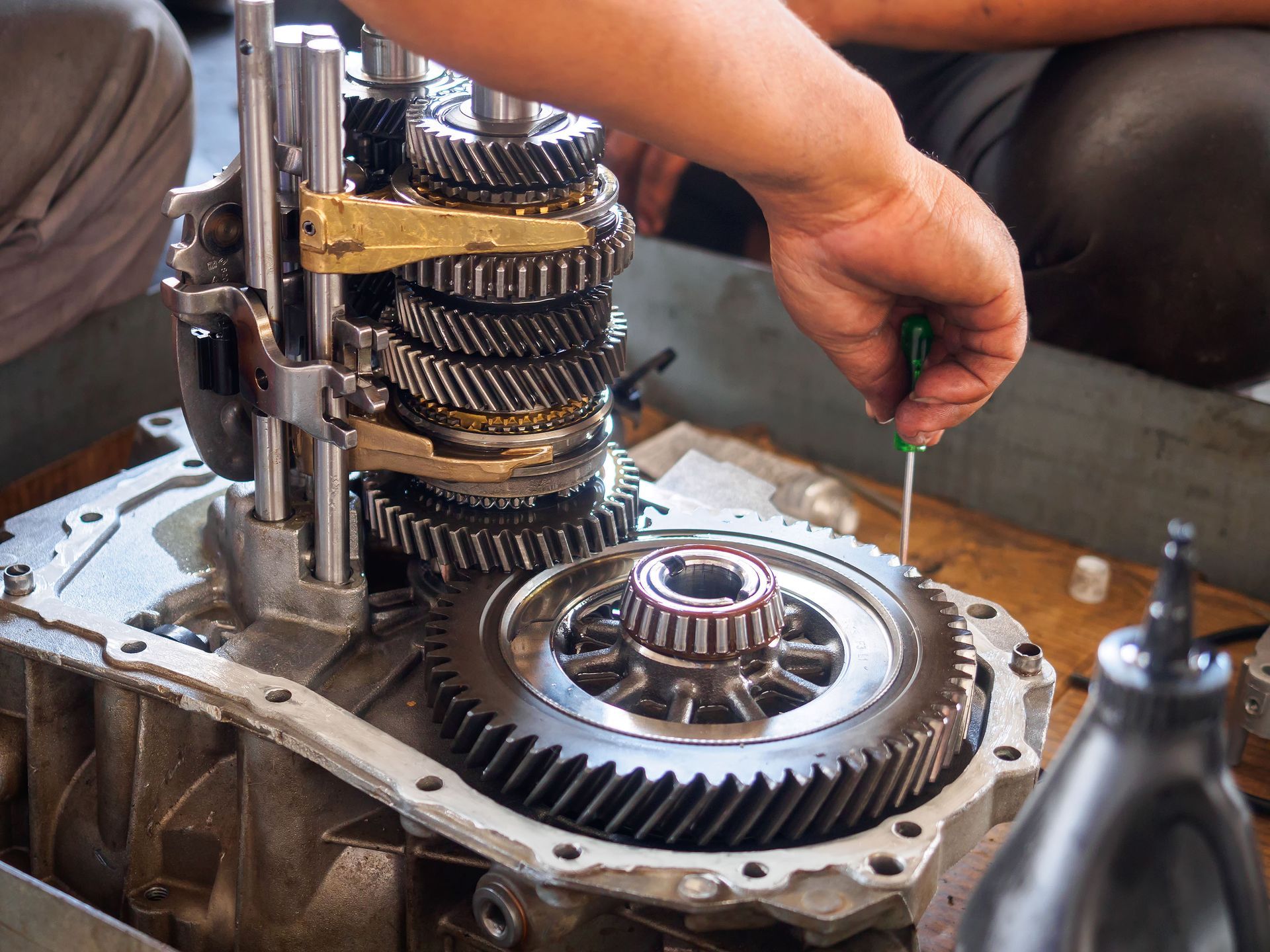
During a professional car engine rebuild, technicians mount the bare engine block onto precision boring and honing machinery. Specialists bore each cylinder oversized or execute a meticulous diamond hone to reintroduce the exact cross-hatch pattern specified by the manufacturer. New piston rings are filed to strict end-gap clearances, matching each cylinder bore down to fractions of a thousandth of an inch.
This meticulous machining process achieves several functional results:
- The cylinder bore becomes perfectly round and vertically plumb, removing any oval taper created by long-term piston skirt slap.
- Fresh piston rings seat evenly against the freshly conditioned cast iron or aluminum sleeves, creating a tight gas barrier.
- Proper microscopic valleys retain oil, reducing hydrodynamic boundary friction between moving parts.
With blow-by eliminated, the burning air-fuel mixture exerts maximum force directly onto the piston crown. Energy that once vanished past the rings remains contained within the combustion chamber, boosting overall thermal efficiency and reducing fuel usage. The restored seal also prevents oil from entering the chamber, keeping spark plugs clean and preserving sharp ignition timing under high loads.
Restoring Cylinder Head Sealing and Valvetrain Geometry
While the short block handles bottom-end compression, the cylinder head governs volumetric breathing and upper thermal containment. Engine valves cycle under extreme temperatures, frequently exceeding 1,200 degrees Fahrenheit on the exhaust side. Over extended periods, valve faces develop micro-pitting, carbon crusting, and recession into the valve seats, which allows expanding combustion fire to slip into the exhaust runners prematurely.
A comprehensive cylinder head overhaul targets all pathways of pressure loss:
- Resurfacing the cylinder head deck on an automated mill to achieve a mirror-flat finish, providing uniform clamping load against the head gasket.
- Cutting multi-angle valve seats with specialized carbide tooling to create a gas-tight contact ring.
- Installing fresh valve guides and Viton stem seals to eliminate unmetered crankcase vapors from corrupting intake airflow.
- Replacing tired valve springs to eliminate valve float at higher engine speeds, preserving strict valve timing.
Restoring clean contact between the valve and seat provides an essential secondary benefit: heat transfer. Exhaust valves rely on physical contact with the cylinder head seat to shed thermal energy into the engine coolant jackets. A pitted or poorly seated valve runs far hotter than normal, triggering premature detonation (engine knock) that forces the electronic control unit to pull timing, which severely harms fuel efficiency. Renewing the combustion chamber profile also eliminates localized hot spots, allowing the engine to safely operate at peak thermal expansion ratios without knock-induced computer adjustments.
Balancing Reciprocating Components to Lower Parasitic Friction
A substantial portion of an engine's wasted fuel energy goes toward overcoming internal mechanical resistance. Bearings, journals, wrist pins, and counterweights generate friction that robs horsepower before it ever reaches the transmission. Over decades of operation, journal surfaces acquire fine grooves and bearings display uneven wear patterns that increase rotational resistance.
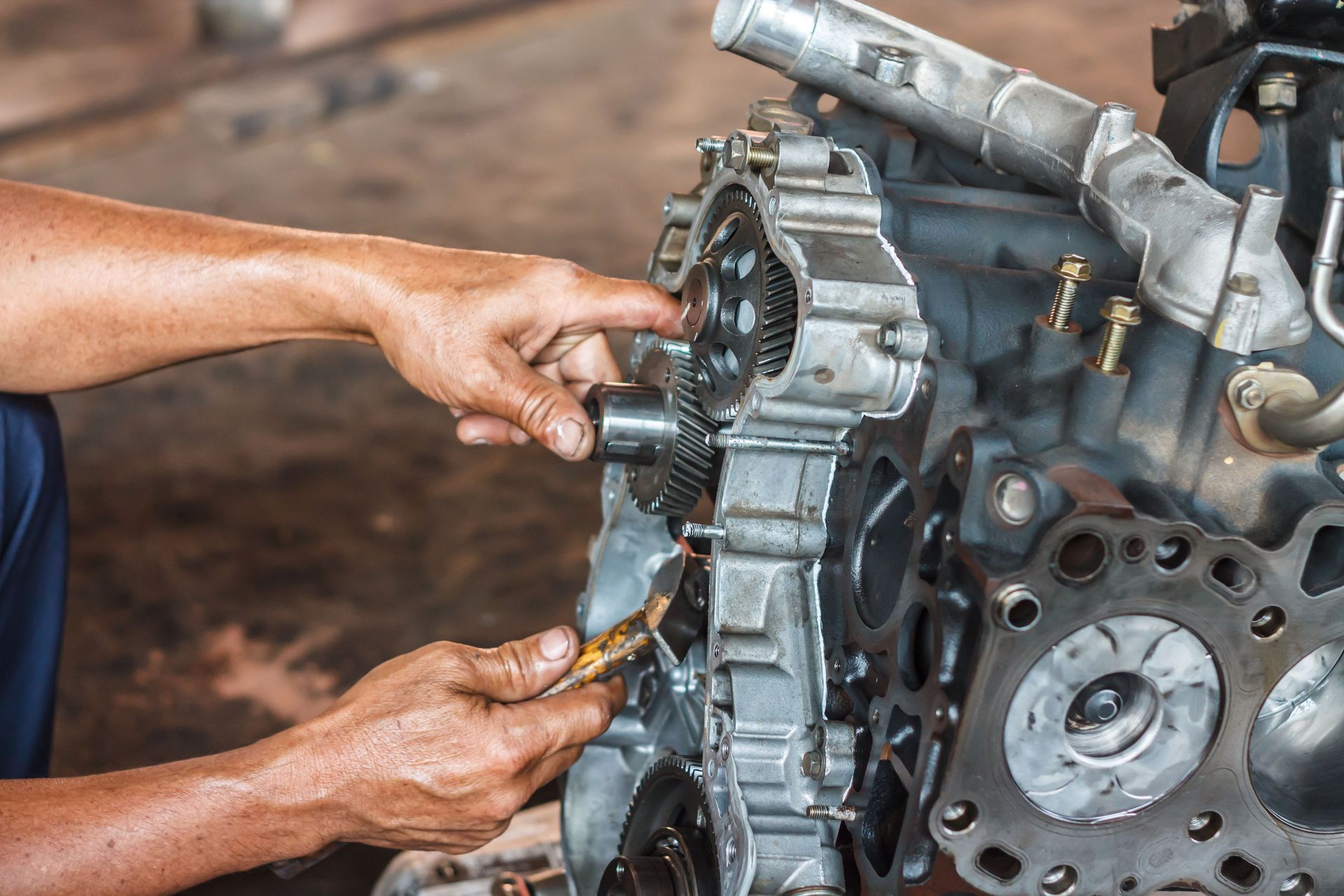
During an extensive car engine rebuild, technicians polish crankshaft journals, check main bearing bore alignment, and balance the rotating assembly. Each piston and connecting rod is weighed on digital scales and trimmed until the components match within single grams of one another. Balancing minimizes high-speed harmonics that wear down main bearings and oil pumps.
Furthermore, standard rebuilding protocols replace the primary oil delivery pump and timing assembly. A fresh oil pump maintains stable hydrodynamic lubrication wedges between the bearings and spinning journals, preventing direct metal contact. When internal components spin with minimal friction, a larger fraction of combustion heat converts into rotational torque rather than parasitic drag. Lower vibration also reduces overall component stress, extending the operational life of the entire rotating mass.
Calibrating Cooling Jackets and Heat Dissipation Channels
A vehicle's cooling jackets perform an essential balancing act by preventing overheating while preserving the elevated temperatures necessary for complete gasoline combustion. Over hundreds of heat cycles, engine blocks accumulate rust scale, mineral calcification, and sludge within the narrow cooling passages surrounding the cylinder bores. This internal buildup insulates the metal, trapping localized heat and driving operating temperatures past their optimum engineering threshold.
During a professional car engine rebuild, the disassembled bare casting undergoes chemical hot-tank soaking, ultrasonic descaling, and high-pressure passage flushing. This intensive thermal restoration step delivers critical performance advantages:
- It strips insulating mineral scale from cylinder jackets, reestablishing rapid heat transfer into the circulating coolant.
- It clears restricted oil passages and galley lines, guaranteeing unrestricted lubrication to the valvetrain and bottom-end bearings.
- It prevents heat soak in the upper cylinder deck, eliminating hot spots that lead to head gasket warping.
When coolant and lubricant circulate at factory rates, combustion chamber temperatures remain stable and uniform across all cylinders. The onboard computer does not have to introduce excess gasoline to cool cylinder walls, preserving stoichiometric fuel mixtures and raising overall operating efficiency.
Deciding Between Rebuilding and Premature Vehicle Replacement
Vehicle owners frequently struggle when faced with an aging powerplant that exhibits declining gas mileage, poor compression, or persistent blue exhaust smoke. Some assume that buying a brand-new vehicle is the only realistic way to regain modern engine efficiency. However, purchasing a replacement vehicle carries substantial depreciation, elevated registration fees, and steep financing costs.
A car engine rebuild presents a pragmatic, cost-conscious path to recapturing original performance. Rather than discarding a sound chassis, a complete mechanical overhaul renews the core machine to baseline factory specifications. In many cases, modern gasket compositions, advanced piston ring coatings, and improved bearing alloys installed during the machining process surpass the durability of the components used when the vehicle rolled off the assembly line.
Rebuilding also provides clear ecological advantages. Manufacturing a modern vehicle requires substantial raw materials, metallurgical refining, and industrial shipping. Restoring an existing engine block reuses heavy castings—such as iron blocks, crankshafts, and aluminum cylinder heads—while simply renewing the surfaces. Drivers enjoy renewed fuel economy, restored low-end torque, and reduced tailpipe emissions without taking on modern vehicle manufacturing footprints.
Owners who notice excessive oil consumption, declining power on steep inclines, or diminished fuel range can look toward precision engine work to resolve these mechanical challenges. Trusting the machining and assembly to dedicated specialists guarantees that every internal clearance matches strict engineering tolerances. When looking to revitalize your vehicle's engine performance, efficiency, and reliability, turn to American Engine Installations.