October 27, 2026
p>Internal combustion engines rely on a precise balance of mechanical force, fuel delivery, electrical spark, and atmospheric pressure to generate reliable horsepower. At the absolute core of this thermodynamic process lies cylinder compression—the mechanical squeezing of an air and fuel mixture within a sealed chamber prior to ignition. When a piston travels upward toward the top of its stroke, both the intake and exhaust valves must seal completely against the cylinder head, while piston rings expansion-seal against the honed cylinder walls. If any component within this pressure chamber fails, air leaks out during the compression stroke, causing incomplete combustion, rough idling, severe power loss, and excessive fuel consumption. Performing an engine compression test provides automotive technicians with a direct, non-invasive diagnostic window into the mechanical health and structural sealing integrity of an internal combustion power plant.
Diagnostic compression testing measures the maximum pressure generated inside individual engine cylinders while cranking the starter motor. By comparing pressure readings across all cylinders against factory specifications, mechanics can pinpoint specific mechanical faults, such as burned valves, blown head gaskets, worn piston rings, or scored cylinder walls. Understanding how compression testing works, how to interpret varying pressure readings, and when low pressure signals internal mechanical failure empowers vehicle owners to make informed maintenance decisions. Exploring the diagnostic process reveals how systematic testing differentiates simple top-end valve repairs from extensive bottom-end overhauls, helping drivers navigate complex decisions surrounding vehicle repairs, engine rebuilds, and complete power plant replacements.
Performing a Dry Compression Test and Recording Cylinder Pressures
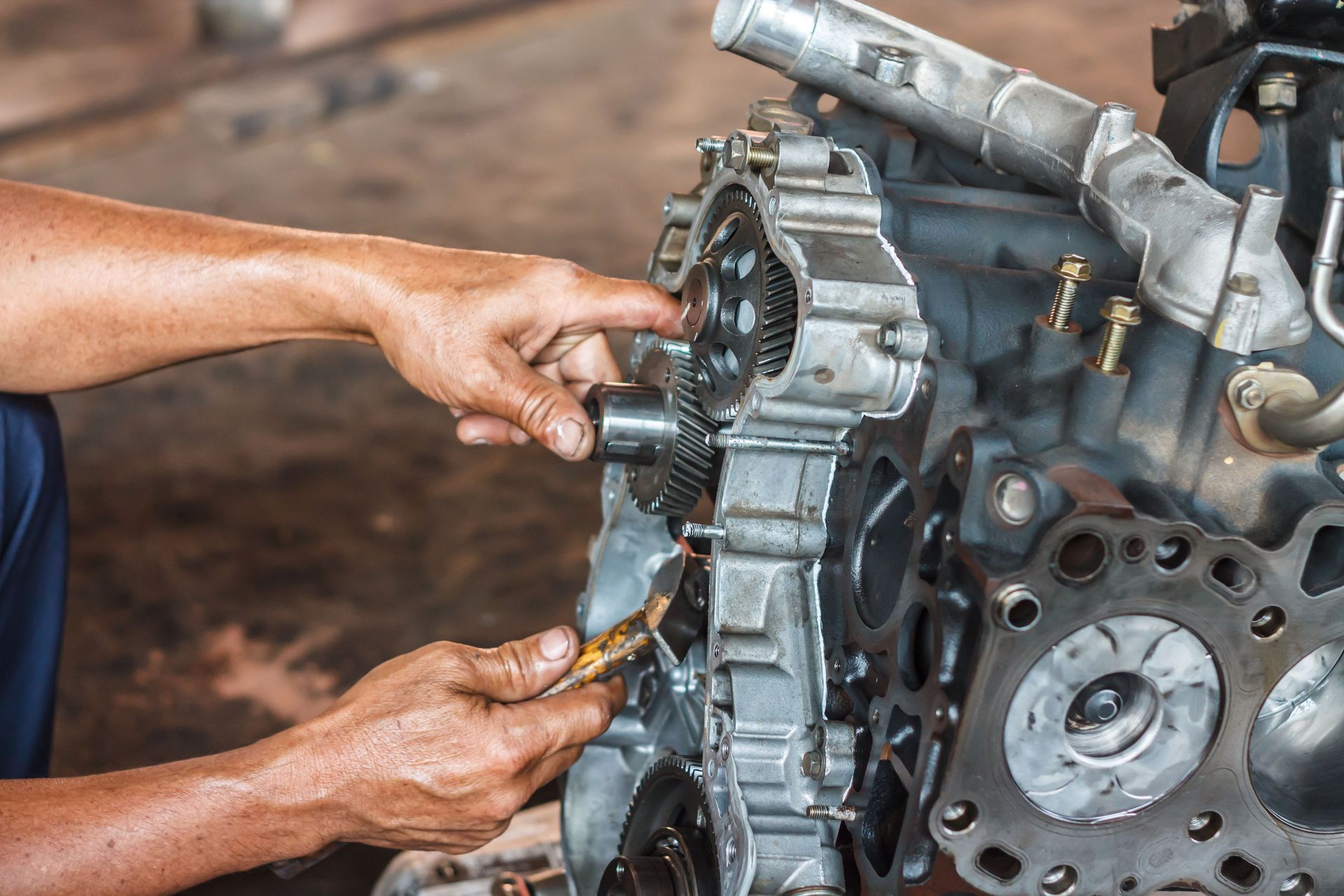
Performing a dry compression test serves as the preliminary diagnostic baseline for evaluating internal cylinder sealing capability. Before initiating the test, a technician disables the fuel injection system and ignition coils to prevent unburned fuel from washing down cylinder walls or igniting during cranking. The mechanic removes all spark plugs to allow the engine to crank freely and threads a specialized pressure gauge with a rubber check valve into the spark plug port of the first cylinder.
With the throttle plate held wide open to ensure maximum air intake, the technician cranks the starter motor for a consistent number of compression strokes until the pressure gauge needle stabilizes at its peak reading. This process is repeated systematically across every cylinder, with readings meticulously recorded for comparative analysis. When diagnostic readings reveal widespread pressure loss that cannot be resolved through minor valve adjustments, vehicle owners often evaluate the cost-effectiveness of complete auto engine replacements to restore reliable vehicle performance.
Conducting a Wet Compression Test and Isolating Mechanical Faults
Conducting a wet compression test helps technicians determine whether low pressure readings stem from worn piston rings or failing valve train components. If a dry test reveals low pressure in one or more cylinders, the mechanic squirts a small quantity of clean motor oil through the spark plug hole directly into the affected cylinder. The oil coats the outer circumference of the piston crown and temporarily fills microscopic gaps between worn piston rings and the cylinder wall.
After applying the oil, the technician reattaches the pressure gauge and cranks the engine again to record the new pressure reading. If the compression reading increases significantly during the wet test, the temporary oil seal confirms that worn or stuck piston rings are allowing air to escape into the crankcase. If the pressure reading remains unchanged despite the addition of oil, the leak exists above the piston, pointing directly to leaking intake or exhaust valves, a cracked cylinder head, or a blown head gasket. When wet testing isolates severe, widespread piston ring wear across multiple cylinders, opting for auto engine replacements frequently offers a more economical, long-term solution than labor-intensive engine block remanufacturing.
Analyzing Cylinder Pressure Variance and Evaluating Test Results
Analyzing the variance between individual cylinder pressure readings provides far more diagnostic value than simply looking at a single high or low number. Healthy engines exhibit strong, uniform pressure readings across all cylinders, typically staying within a tight percentage margin of one another according to manufacturer parameters. A healthy engine maintains tight pressure consistency, ensuring balanced power output across every power stroke.
When one cylinder exhibits significantly lower pressure than the rest, the engine suffers from a distinct mechanical imbalance that causes noticeable misfires, rough idling, and hesitation under load. Furthermore, if two adjacent cylinders read identically low pressure, it strongly indicates a blown head gasket that has burned through the thin sealing arm separating those adjacent firing chambers. Evaluating overall pressure distribution helps technicians determine whether targeted cylinder head repairs will suffice or if severe internal wear across the board necessitates comprehensive auto engine replacements.
Reviewing Cylinder Configurations and Internal Mechanical Architecture
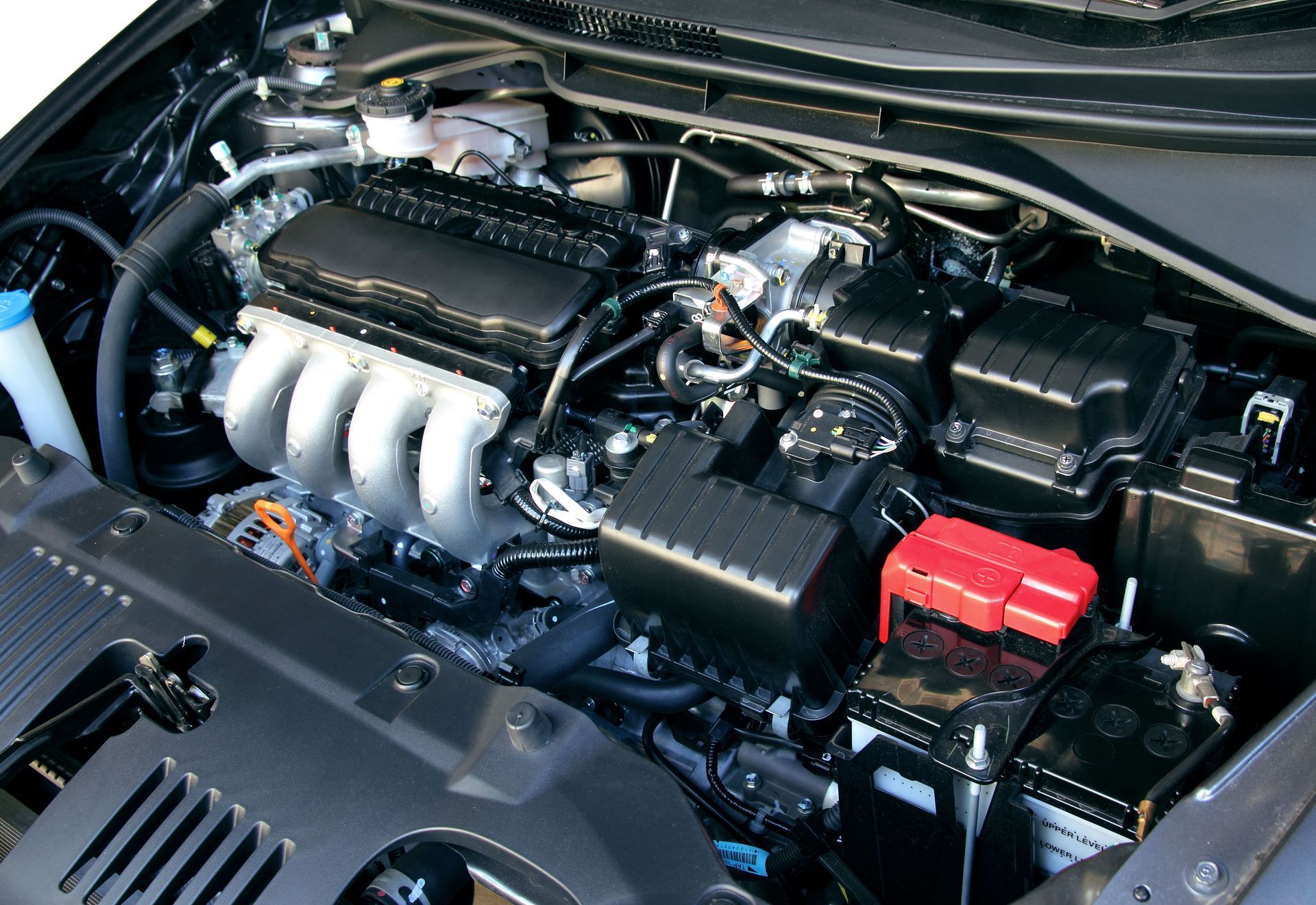
Reviewing the internal mechanical architecture and cylinder layout of a vehicle helps demystify how compression dynamics operate within different power plant designs. Vehicle manufacturers configure internal combustion power plants in various arrangements, including inline, opposed, and V-shaped layouts, depending on vehicle chassis dimensions and power requirements. Regardless of the physical arrangement, every individual cylinder operates on the same basic four-stroke cycle, requiring airtight chamber sealing during compression and power strokes.
Understanding cylinder arrangements highlights the structural scale and complexity involved in diagnostic compression evaluations across different vehicle platforms. According to How Stuff Works, car engines most commonly have four, six, or eight cylinders. Regardless of whether an engine features a compact inline layout or a large V-shaped block, experiencing total compression failure across multiple cylinders remains a primary diagnostic indicator that prompts mechanics to recommend high-quality auto engine replacements.
Maintaining a clear understanding of engine compression testing empowers vehicle owners to navigate complex mechanical diagnoses with confidence and clarity. Compression tests serve as an essential diagnostic tool, allowing technicians to evaluate internal cylinder sealing, isolate mechanical air leaks, and assess the overall health of an internal combustion engine. By systematically conducting dry and wet compression tests, mechanics can distinguish between top-end valve seal issues and severe bottom-end piston ring wear. Analyzing pressure variances across all cylinders highlights structural head gasket failures, scored cylinder walls, and burnt valves before minor mechanical faults escalate into catastrophic engine lockups. When diagnostic testing reveals widespread, irreversible pressure loss across multiple cylinders, investing in a complete power plant replacement offers the most practical, cost-effective, and dependable solution for restoring total vehicle mobility. Partnering with certified automotive specialists guarantees accurate diagnostic evaluations, expert mechanical execution, and lasting peace of mind for every mile ahead.
At American Engine Installations, we are deeply committed to diagnosing your vehicle's mechanical challenges accurately, restoring peak powertrain performance, and delivering superior engine replacement solutions through master craftsmanship, high-grade remanufactured power plants, and dedicated customer care. Our team of certified automotive technicians brings extensive diagnostic expertise, advanced compression testing equipment, precision digital leak-down gauges, and meticulous attention to detail to every cylinder head inspection, timing belt service, head gasket replacement, complete powertrain overhaul, and professional auto engine replacements project we execute across our community. We take immense pride in evaluating your unique engine diagnostic data, analyzing cylinder pressure readings, inspecting internal block integrity, and serving as your trusted automotive partner to bring total mechanical reliability, renewed horsepower, and long-term equity to your vehicle. Furthermore, our company prioritizes clear communication, transparent project estimates, clean shop floor management, and exceptional service performance from initial diagnostic intake through final road test verification. We carefully examine every spark plug thread, valve seat margin, head bolt torque specification, and sensor connection to guarantee maximum compression efficiency, emission compliance, and complete vehicle owner satisfaction. Contact us today to schedule your comprehensive engine diagnostic consultation and discover the true value of working with dedicated local powertrain specialists.