November 23, 2026
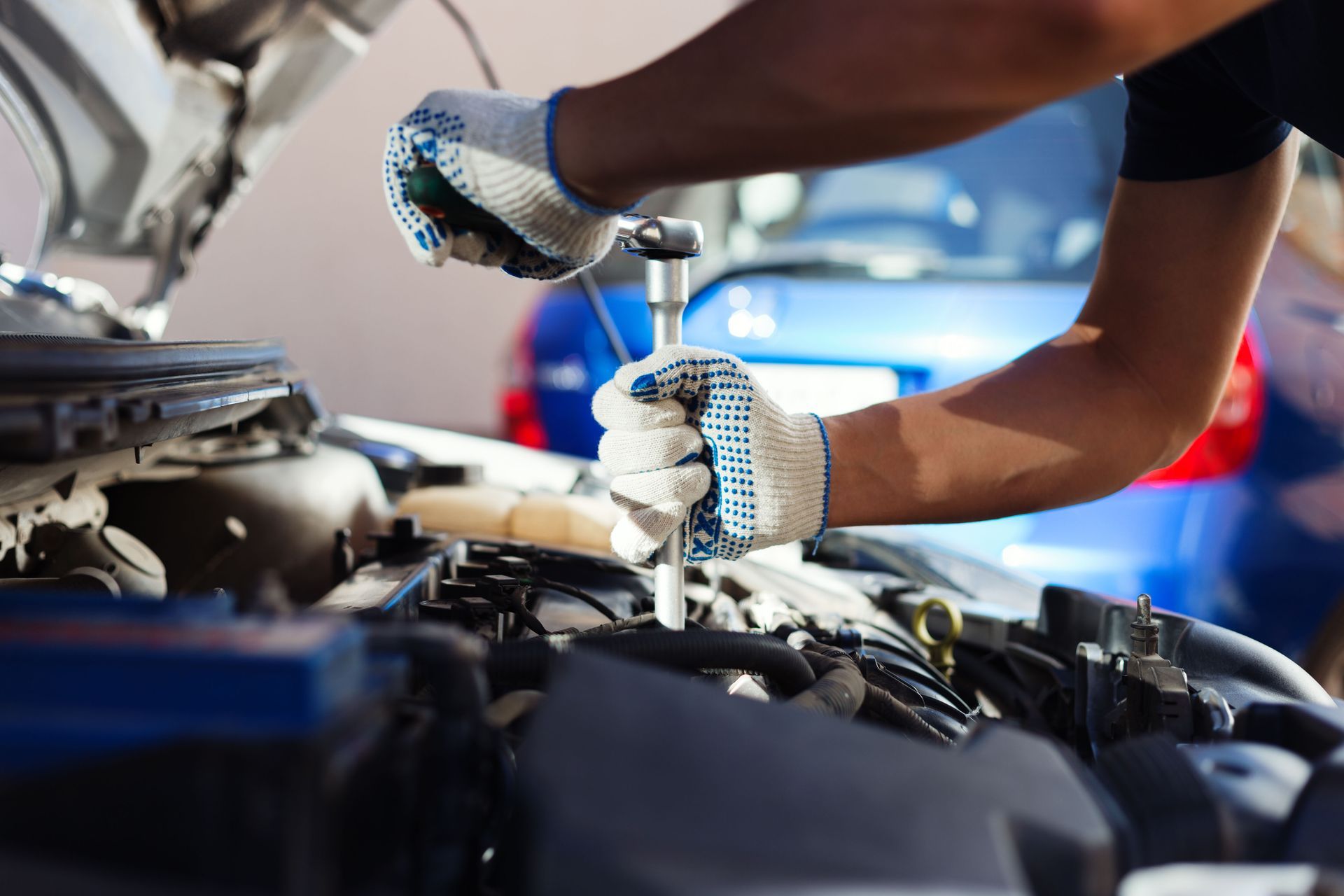
Reaching 200,000 miles is an impressive milestone for any vehicle, but getting there requires consistent maintenance and attention to developing mechanical problems. As engines accumulate mileage, internal components wear out, which can eventually affect performance, reliability, and efficiency. Addressing problems early through professional engine repairs can help drivers avoid more extensive damage and extend the useful life of their vehicles. Understanding which repairs become increasingly important as mileage increases can help vehicle owners make informed decisions about long-term engine care.
Understanding the Challenges of High-Mileage Engines
As a vehicle approaches 100,000 miles and beyond, normal wear and tear can begin affecting important engine components. Heat, friction, repeated starts, and extended driving gradually place stress on internal parts, including bearings, pistons, valves, and cylinder heads. Even vehicles that receive regular maintenance can eventually develop mechanical problems that require professional attention.
According to AARP, a typical passenger car should be capable of lasting at least 200,000 miles with proper care. Reaching this milestone, however, depends on recognizing developing problems and addressing them before they cause additional damage.
High-mileage vehicles may experience several warning signs, including:
- Unusual knocking, ticking, or rattling sounds.
- Increased oil consumption or visible fluid leaks.
- Reduced acceleration and engine performance.
- Persistent overheating or temperature fluctuations.
- Excessive exhaust smoke or unusual odors.
These symptoms should not be ignored. Having a qualified technician evaluate unusual engine behavior can help identify the underlying problem and determine which repairs are necessary.
Prioritizing Cylinder Head Repairs
The cylinder head plays an essential role in engine operation by housing important components such as intake and exhaust valves. It also helps maintain the combustion chambers where fuel and air generate the power needed to operate the vehicle. Because it experiences significant heat and pressure, the cylinder head can become damaged as an engine ages.
Common problems include warped surfaces, cracks, and worn valves. These issues can interfere with proper combustion, reduce engine performance, and contribute to overheating. A damaged cylinder head may also allow coolant or oil to enter areas where it does not belong.
Professional cylinder head repair can restore proper function through precision machining and component replacement. Depending on the extent of the damage, technicians may need to address warped surfaces, replace damaged components, or correct valve-related problems.
Addressing these concerns promptly helps protect other engine components from additional stress. For vehicles with substantial mileage, cylinder head repairs can be an important step toward maintaining dependable performance and avoiding more extensive mechanical failures.
Addressing Rod Knock and Internal Engine Wear
Rod knock is another serious concern for owners of high-mileage vehicles. This condition typically develops when connecting rod bearings wear or are damaged, creating excessive clearance between internal engine components. As the crankshaft rotates, the resulting movement can produce a noticeable knocking sound.
Ignoring rod knock can lead to increasingly severe internal damage. Continued operation may damage the crankshaft, connecting rods, and other components, potentially resulting in complete engine failure.
Professional diagnosis is essential when a vehicle develops persistent knocking noises. Technicians can inspect the affected components, evaluate the extent of the damage, and determine whether rebuilding is a practical solution. Prompt engine repairs can help address the underlying wear before it causes additional damage to other internal components.
Depending on the condition of the engine, rod knock repair may involve:
- Inspecting internal components for excessive wear.
- Replacing damaged or worn bearings.
- Evaluating crankshaft condition and clearances.
- Rebuilding affected engine components.
- Testing the engine to confirm proper operation.
Timely attention to these problems can help prevent additional damage. Since rod knock often indicates significant internal wear, professional evaluation is especially important before continuing to drive a high-mileage vehicle.
Recognizing When Engine Rebuilding Is Necessary
Some high-mileage engines develop multiple problems that cannot be resolved through individual component repairs. When internal wear becomes more extensive, rebuilding may provide a practical alternative to replacing the entire engine.
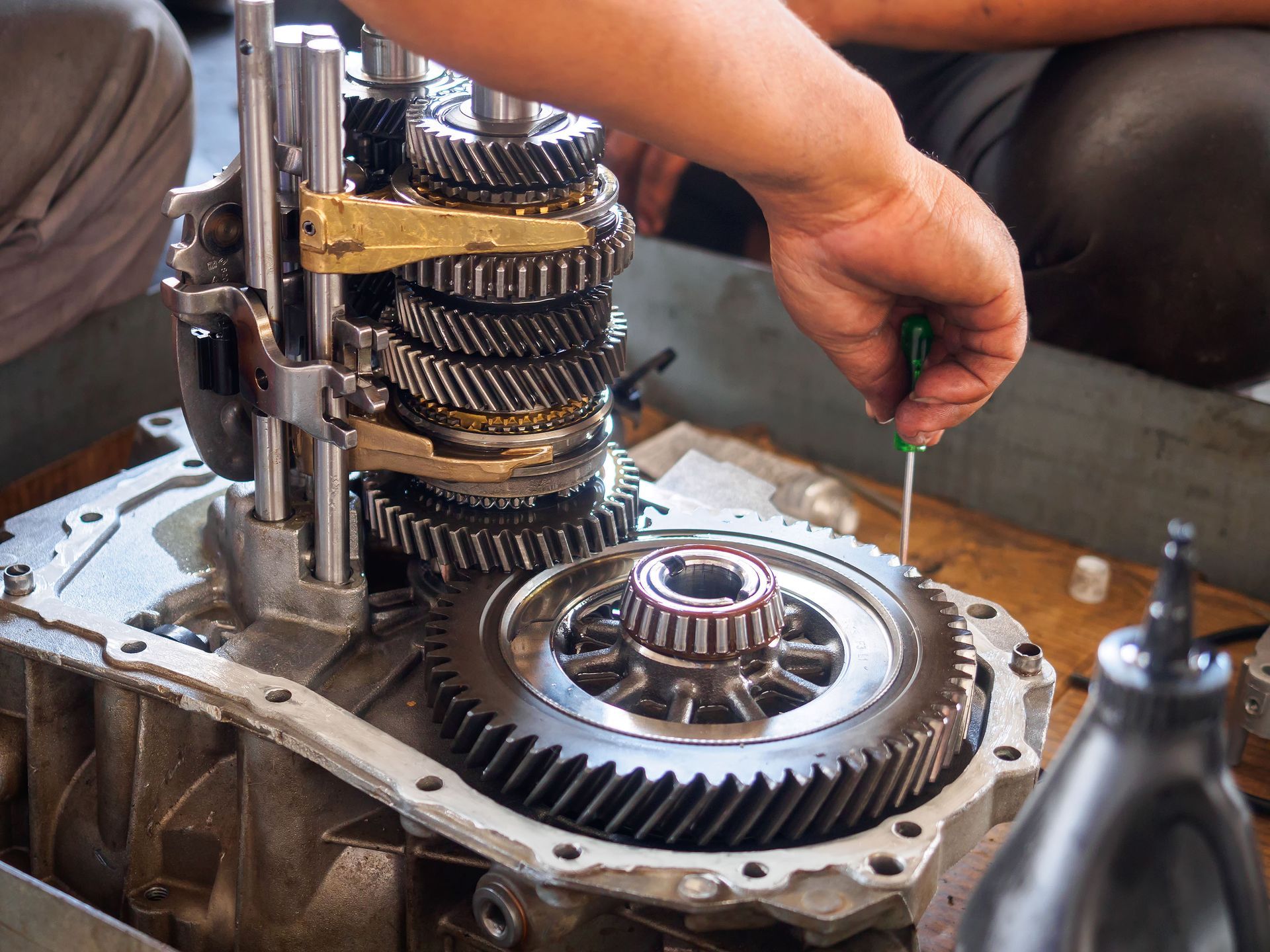
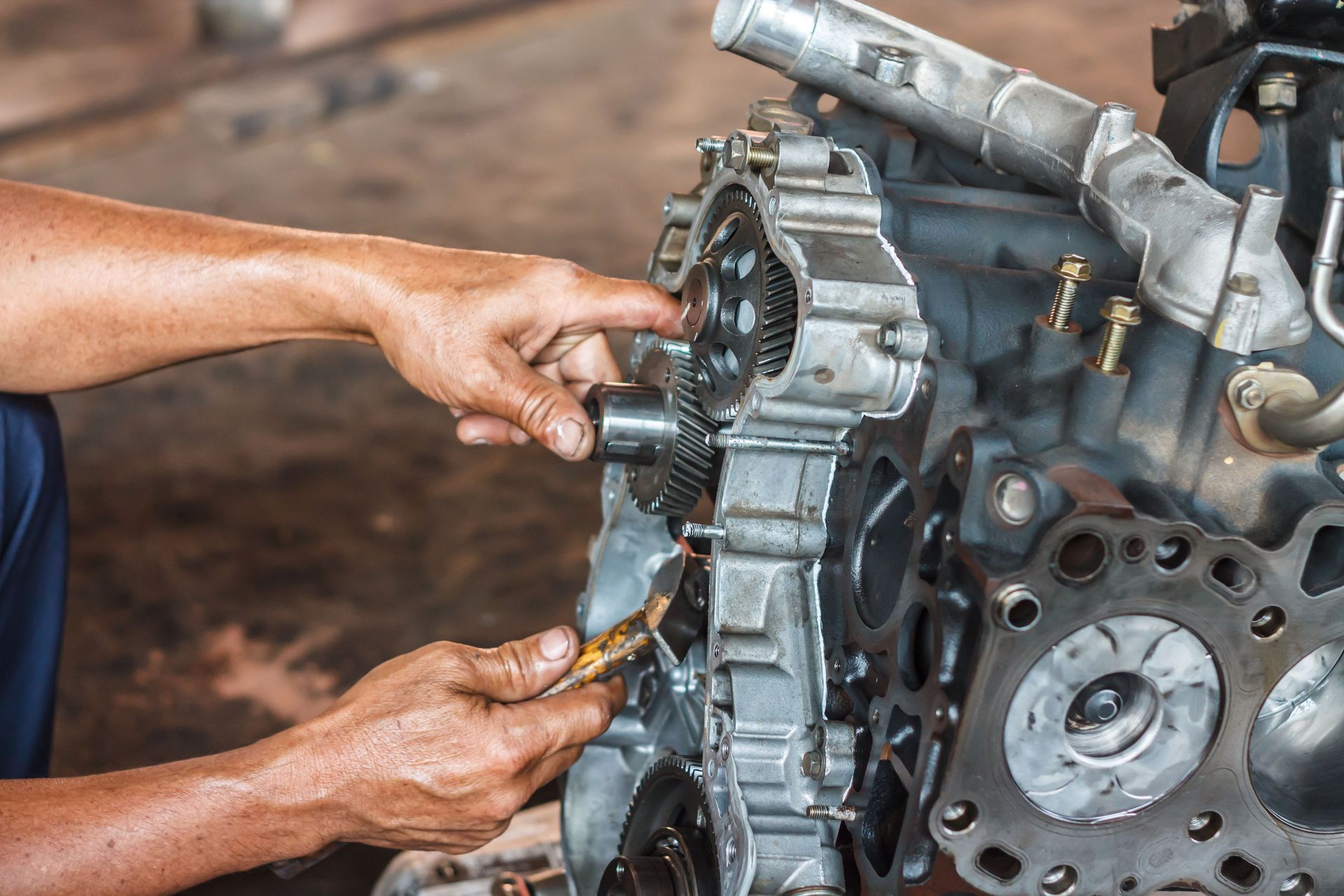
Engine rebuilding involves disassembling the engine, inspecting its components, repairing or replacing damaged or worn parts, and restoring the assembly to the appropriate operating specifications. This process allows technicians to evaluate the condition of important internal components and determine which parts require replacement or machining.
Two important areas of an engine rebuild include:
- Bottom-End Rebuilding: This process involves rebuilding lower engine components, including the crankshaft, pistons, and bearings. These parts are essential for converting combustion energy into mechanical movement.
- Top-End Rebuilding: This work focuses on upper engine components, including cylinder heads, valves, and camshafts. Proper operation of these parts helps maintain combustion efficiency and overall engine performance.
Professional engine repairs can help determine whether rebuilding is appropriate for a vehicle experiencing extensive internal wear. A thorough inspection also helps technicians identify underlying problems that could affect the rebuilt engine's reliability.
For drivers who want to keep a dependable vehicle rather than purchase another, rebuilding may be a worthwhile option when the vehicle's overall condition supports continued use.
Evaluating Engine Replacement When Repairs Are Insufficient
Although many mechanical problems can be addressed through repairs or rebuilding, some engines eventually experience damage that makes replacement the more practical choice. Severe internal failures, extensive component damage, or a seized engine may make continued repairs less economical.
Before recommending replacement, technicians should evaluate the engine's condition and consider the extent of the damage. Excessive oil consumption, persistent overheating, severe knocking, and significant internal deterioration may indicate that the existing engine is approaching the end of its useful life. A thorough inspection can also help determine whether additional engine repairs would provide a reliable long-term solution.
Engine replacement can restore vehicle performance while allowing owners to continue using a vehicle they already know and trust. However, the decision should account for the vehicle's overall condition, expected future reliability, and the cost of the necessary work.
A professional assessment helps drivers compare their options rather than investing in repairs that may not deliver lasting results. Choosing the appropriate solution can make a meaningful difference in how long a vehicle remains dependable.
Maintaining Performance Through Timely Engine Repairs
Reaching 200,000 miles is not simply a matter of driving a vehicle for an extended period. Long-term reliability depends on responding to warning signs, following manufacturer recommendations, and addressing mechanical concerns as they develop.
Vehicle owners can support engine longevity by taking several practical steps:
- Follow the manufacturer's recommended maintenance schedule.
- Pay attention to unusual engine noises, vibrations, and changes in performance.
- Monitor oil and coolant levels according to the owner's manual.
- Address overheating and fluid leaks promptly.
- Schedule professional inspections when warning signs appear.
These habits help drivers recognize potential problems before they become more serious. They also make it easier for technicians to identify developing concerns and recommend appropriate solutions.
When mechanical problems arise, professional engine repairs can restore damaged components and help prevent additional wear. Working with experienced technicians also gives vehicle owners a clearer understanding of their engine's condition and the options available for extending its lifespan.
Extending Your Vehicle's Life With Professional Engine Care
A vehicle with high mileage does not automatically need to be replaced. With appropriate attention, many engines can continue operating reliably well beyond 100,000 miles. Cylinder head problems, rod knock, and internal component wear are important concerns, but addressing them promptly can help drivers protect their investment and make informed decisions about their vehicles.
Whether an engine needs targeted repairs, a complete rebuild, or replacement, an experienced professional can evaluate its condition and recommend an appropriate solution. American Engine Installations provides professional engine repairs, cylinder head repair, rod knock repair, rebuilding, and replacement services to help drivers maintain their vehicles. Contact American Engine Installations today for a free, same-day estimate and expert assistance in keeping your vehicle on the road.